All Categories
Featured
Given the structure of supply-chain, warehouse and circulation center layouts, a lot of decision-makers choose to see them in-person when surveying areas for acquisitions, expansions and sales, as well as first-hand observations of operations. For that reason, we forecast we will see an increase in mid-market mergers and acquisitions in the supply-chain and logistics segments as 2021 opens up, offering people can get out and meet one another to get them done.
Future-Proofing Retail Supply Chain Through Predictive Inventory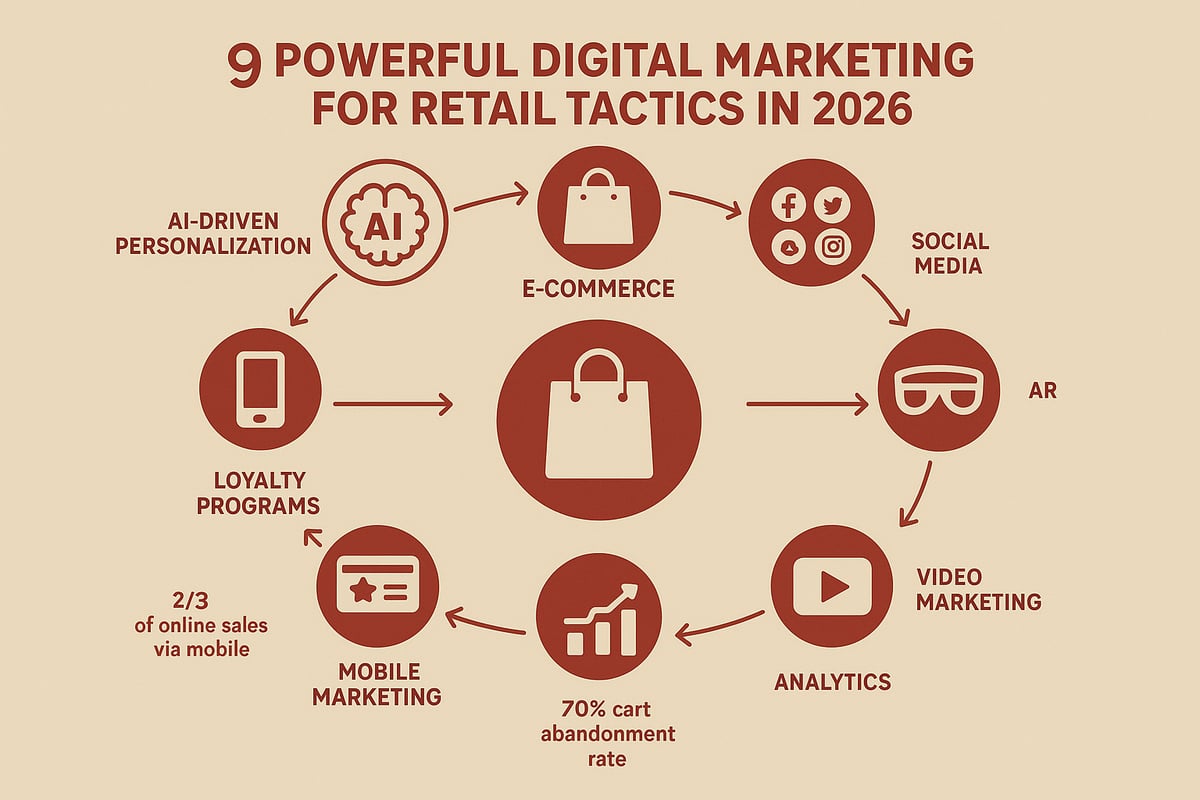
In 2021, clients will order more shipment than ever in the past. Now that consumers are comfortable with delivery, anticipate them to increase their frequency across industries.
And once customers are familiar with ordering shipment in basic, anticipate them to start ordering in brand-new areas too, specifically following a positive shipment experience. In food delivery, this will lead to businesses enhanced for delivery, like combination cooking areas or non-traditional preparation spaces. Sellers will adjust in other locations, too, favoring low-rent alternatives such as micro satisfaction centers that emphasize deliverability over a storefront.
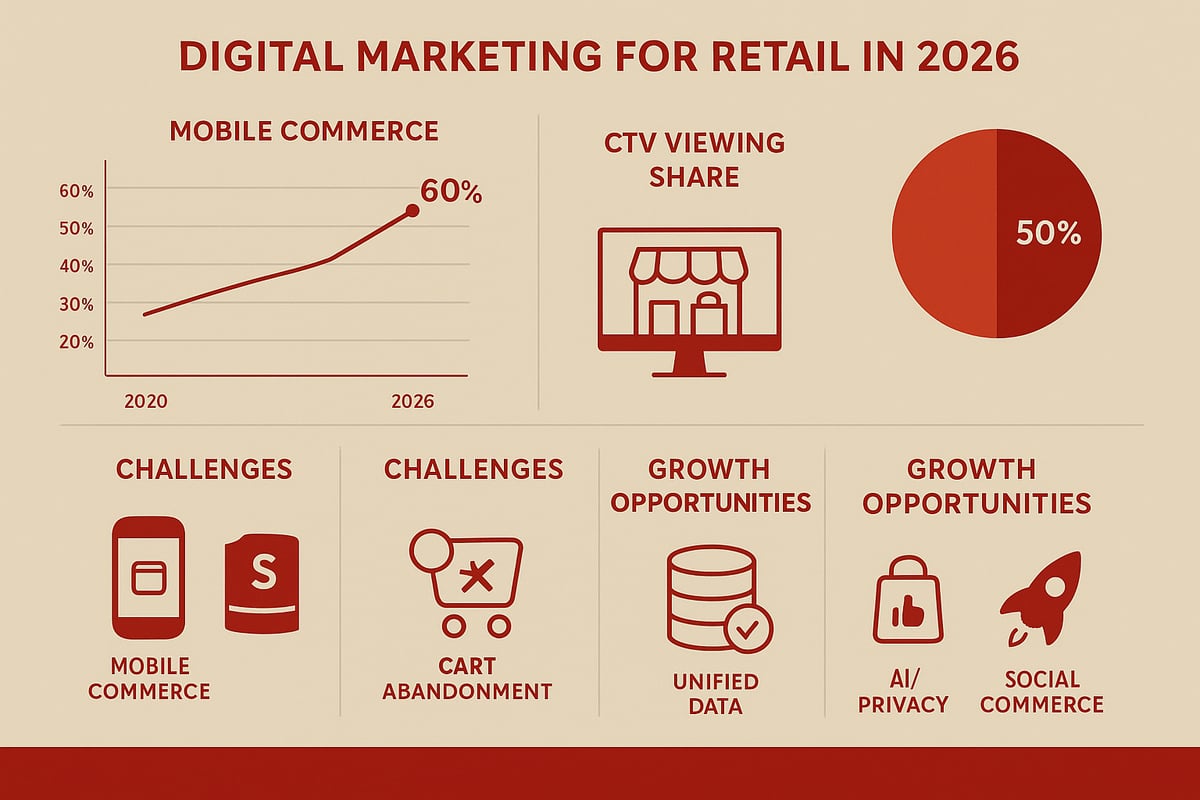
Evaluating Centralized Warehouse Tracking Models in 2026
As the demand for shipment accelerates, the worth of shipment automation increases too. In 2021, expect to see small motions towards automation, such as increased financing for drones and autonomous lorry business. That said, these shifts are most likely to be small. The chances are appealing, but the challenges are big.

Latest Posts
Expanding Multi-Channel Distribution Network Using Smart Logistics
Essential Insights for Winning the Multi-Channel Market
Why Advanced WMS Boosts Stock Efficiency